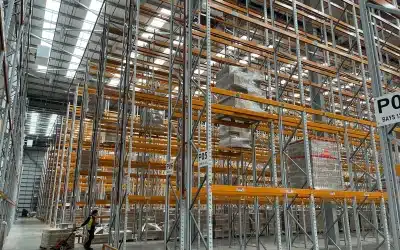
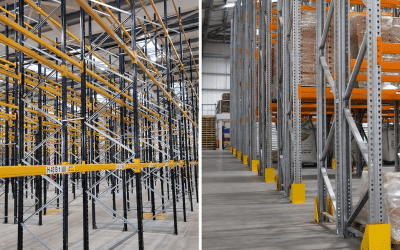
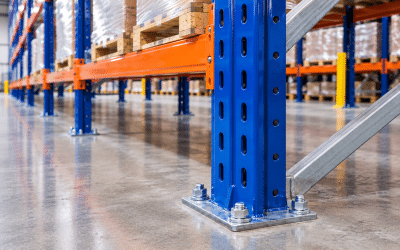
A freezing chamber actively stores goods at sub-zero temperatures, preserving the quality of food, health products, and pharmaceuticals. Businesses in the cold storage industry face challenges like optimising storage capacity, efficiently managing and tracking inventory, and reducing energy consumption. But how do freezing chambers differ from cold storage? This blog will dive deeper into the key differences.
A freezing chamber preserves products for extended periods, protecting them from spoilage. In contrast, a cold store keeps products at optimal temperatures for immediate consumption, preventing short-term spoilage. The decision between the two depends on the specific needs of the business.
Both freezing chambers and cold stores use sandwich panels as insulating barriers to block heat transfer. The key difference lies in the flooring: freezing chambers require insulated floors to prevent condensation, while cold stores do not.
They typically use similar storage systems, with the decision between them based on the required storage capacity and ease of goods management.
Other Types of Cold Storage
Along with freezing chambers and cold stores, there are other types of cold storage environments:
- Temperature-controlled warehouses: Unlike refrigerated warehouses, where temperatures can fluctuate, temperature-controlled warehouses maintain a consistent environment, though not always below freezing. These facilities are ideal for storing fresh produce like fruits and vegetables that need cooling but not freezing. By maintaining stable temperatures, they help extend shelf life and preserve product quality.
- Refrigerated containers: Refrigerated containers are portable units equipped with refrigeration and temperature control systems, primarily used for transporting perishable goods by sea, land, or rail. They maintain the proper temperature throughout transit, preventing spoilage and preserving product quality until the goods reach their destination.
- Cold rooms: Cold rooms, smaller than cold stores, are designed for short-term storage at controlled temperatures. Commonly found in supermarkets, restaurants, and distribution centers, they store perishable goods briefly before distribution or consumption. These rooms allow for quick, efficient access to products while maintaining their freshness.
- Refrigerated vehicles: Refrigerated vehicles, including trucks and vans, are fitted with integrated refrigeration systems to maintain the correct temperature while transporting perishable goods. These vehicles play a crucial role in the supply chain, ensuring products arrive at their final destination in optimal condition, preserving their quality.
Things to Consider When Looking Into Subzero Storage
The primary issues or challenges to address when setting up industrial storage in subzero conditions are:
- Temperature maintenance: One of the key challenges of subzero storage is maintaining a consistent temperature within a precise range. Even minor temperature fluctuations can lead to a loss of quality or spoilage of the stored products. Therefore, it is essential to implement effective temperature monitoring and control systems to prevent these variations.
- Humidity control: Humidity is another crucial factor in cold storage. High humidity levels can promote the growth of bacteria and mold in food, which can affect its safety and quality. Maintaining proper humidity levels in the facility is essential to prevent these issues.
- Handling during transit: Transporting perishable goods comes with major challenges, especially in keeping the right temperature. Products can experience temperature issues during loading, unloading, and long trips. Using refrigerated vehicles and following proper handling steps are key to reducing these risks.
- Inventory management: Poor inventory control can result in food loss from expiration or spoilage. It’s crucial to keep accurate records of what is stored, the quantity, and how long each item has been in storage. Effective inventory management systems help reduce waste and ensure proper product rotation.
- Energy efficiency: Refrigeration systems consume a substantial amount of energy, leading to higher operating costs and greater environmental impact. Adopting energy-efficient technologies and practices is an ongoing challenge to lower these costs and reduce the ecological footprint.
For many businesses in industries like food and pharmaceuticals, a freezing chamber is a crucial part of their operations. It must offer the highest possible storage capacity while maximizing energy efficiency to ensure optimal performance. Effective freezing chambers not only need to accommodate large volumes of products but also operate with minimal energy consumption, striking a balance between capacity and operational cost-effectiveness.
To find out more about freezing chambers and cold store storage, or any other warehouse storage solution contact our Sales team on 0800 612 3210.