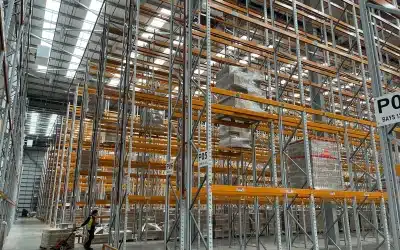
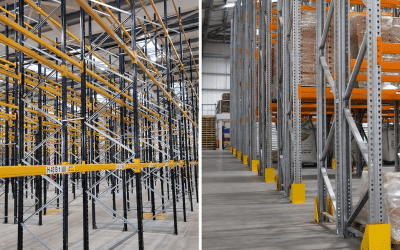
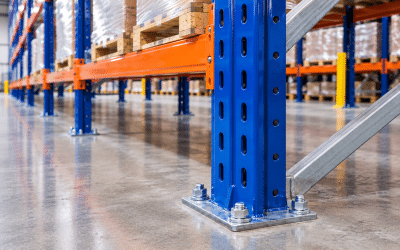
In today’s fast-paced business environment, efficient inventory management is more critical than ever. Businesses across industries are under constant pressure to optimise storage, streamline operations and meet customer demands without delay. One powerful solution that addresses these challenges is pallet racking, which can even enhance inventory management. This versatile storage system has become a cornerstone of modern warehouses, enabling businesses to manage inventory effectively while maximising space and reducing costs.
What is Pallet Racking?
Pallet racking is a material-handling storage system designed to store goods on pallets in a structured and organised manner. These pallet racking comes in various configurations, including adjustable, drive-in, push-back and pallet live systems, catering to different warehouse needs. By elevating goods and utilising vertical space, pallet racking allows warehouses to store large quantities of inventory efficiently while maintaining accessibility.
Key Benefits of Pallet Racking in Inventory Management
- Optimal Space Utilisation: One of the primary advantages of pallet racking is its ability to maximise warehouse space. By using vertical storage, businesses can significantly increase their storage capacity without expanding their physical footprint. This is especially beneficial for companies with limited warehouse space or high real estate costs. Pallet racking ensures that every inch of space is utilised effectively.
- Improved Organisation: An organised warehouse is essential for efficient inventory management. Pallet racking systems provide a systematic way to store and categorise products. With clear labelling and designated spaces, staff can easily locate items, reducing the time spent searching for products and minimising errors.
- Enhanced Accessibility: Adjustable pallet racking, the most common type, allows for direct access to each pallet. This is ideal for businesses that need to frequently retrieve and restock items. Enhanced accessibility not only improves operational efficiency but also supports inventory rotation, ensuring that older stock is used first (FIFO: First In, First Out).
- Increased Safety: Safety is a critical consideration in inventory management. Pallet racking systems are designed to securely hold heavy loads and are built to withstand the demands of a busy warehouse. Proper installation, along with regular maintenance and inspections, ensures that the racking remain stable and reliable. Additionally, by keeping inventory off the floor, pallet racking reduces trip hazards and promotes a safer working environment.
- Scalability and Flexibility: As businesses grow and inventory needs change, pallet racking systems can be adapted to accommodate these changes. Modular designs allow for easy expansion, and different racking configurations can be implemented to handle various types of products. This flexibility ensures that your storage solution evolves with your business.
- Cost Efficiency: While the initial investment in a pallet racking system may seem substantial, the long-term benefits far outweigh the costs. Improved space utilisation, faster inventory turnover, and reduced labor hours translate into significant cost savings over time. Additionally, the durability of pallet racking systems ensures that they provide value for years to come.
Types of Pallet Racking Systems
To make the most of pallet racking, it’s important to choose the right type for your specific needs. Here are some popular options:
- Adjustable Pallet Racking: Offers direct access to each pallet; ideal for warehouses with diverse inventory.
- Drive-In/Drive-Through Racking: Suitable for high-density storage; requires specialised forklifts.
- Push-Back Racking: Pallets are stored on a slight incline, allowing them to roll forward when one is removed.
- Pallet Live Racking: Uses gravity to move pallets along inclined rollers, supporting high-volume FIFO operations.
Best Practices for Implementing Pallet Racking
- Assess Your Inventory Needs: Understand your inventory turnover rate, product dimensions, and storage requirements.
- Plan Your Layout: Design a racking layout that maximises space while ensuring smooth traffic flow.
- Invest in Quality Systems: Choose durable, high-quality racking systems that comply with safety standards.
- Train Staff: Ensure employees are trained to safely load and unload pallets and operate equipment.
- Regular Inspections: Conduct routine checks to identify and address wear, damage, or potential hazards.
Conclusion
Pallet racking is more than just a storage solution; it’s a strategic tool that enhances inventory management and drives operational efficiency. By optimising space, improving organisation, and ensuring safety, pallet racking systems empower businesses to meet the demands of today’s dynamic marketplace. Whether you’re managing a small warehouse or a large distribution centre, investing in the right pallet racking system can transform your operations and set your business up for success.
To discuss how you can optimise your warehouse space with pallet racking, contact our sales team on 0800 612 3210. Our friendly experienced team are happy to help you make the most of your warehouse space.