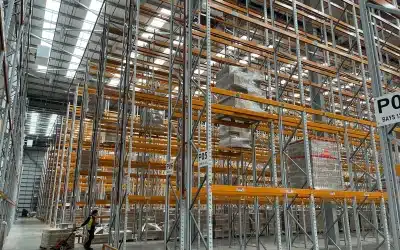
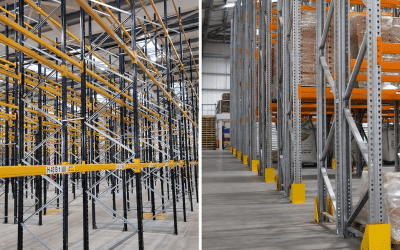
A pallet racking collapse can have serious consequences for any business. It can damage stock, destroy equipment and cause significant financial losses. More importantly, falling racking can seriously injure warehouse employees and visitors.
A collapse can also disrupt operations and force businesses to close temporarily. In severe cases, the damage could even result in permanent closure.
Fortunately, businesses can reduce the risk of pallet racking collapses through proper planning and maintenance. Choosing suitable equipment, professional installation and regular inspections all play an important role.
In this guide, we explore seven essential ways to prevent pallet racking collapses. Follow these warehouse safety tips to protect your employees, stock and storage equipment.
1. Choose the Right Pallet Racking System
Selecting the correct pallet racking system provides the foundation for warehouse safety. Different businesses have different storage requirements and operational demands.
Consider these important factors before purchasing your racking:
- Weight capacity: Choose a system that safely supports your intended pallet loads. Always check the manufacturer’s specified load capacities.
- Warehouse environment: Consider temperature, humidity and other environmental conditions. Specialist systems may suit cold stores or challenging environments.
- Storage requirements: Match your racking design to your products, pallet sizes and available warehouse space.
- Operational requirements: Consider forklift access, loading methods and warehouse traffic.
Always consult an experienced pallet racking supplier before choosing your system. Professional advice helps you select suitable equipment for your warehouse.
2. Ensure Professional Pallet Racking Installation
Even the strongest pallet racking system can become dangerous without correct installation. Poor installation can compromise stability and increase collapse risks.
Follow these essential installation practices:
- Check the floor: Ensure the warehouse floor can support the proposed racking loads. Uneven or unsuitable flooring can affect stability.
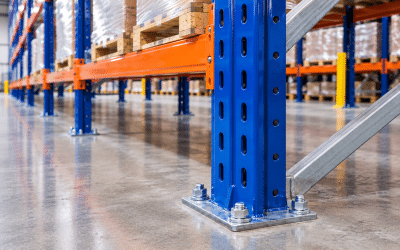
- Secure the racking: Install suitable floor anchors to prevent unwanted movement. Follow the manufacturer’s installation specifications.
- Use experienced installers: Choose qualified professionals with relevant industry knowledge and experience.
- Follow installation guidance: Ensure installers follow the manufacturer’s instructions and applicable safety standards.
Professional installation helps establish a safe and reliable storage system.
3. Never Overload Your Pallet Racking
Overloading creates unnecessary stress and increases the risk of structural failure. Therefore, every warehouse must follow its specified racking load capacities.
Use these practices to prevent overloading:
- Follow load limits: Never exceed the manufacturer’s recommended safe working loads.
- Distribute weight evenly: Position pallets correctly and avoid uneven loading.
- Store heavier goods lower: Keep heavier products on lower levels where possible.
- Display load notices: Install clear pallet racking load notices throughout your warehouse.
Additionally, train employees to understand and follow the displayed load limits.
4. Carry Out Regular Pallet Racking Inspections
Daily warehouse operations expose pallet racking to regular wear and potential damage. Therefore, inspections play an essential role in preventing collapses.
During inspections, check the following components:
- Uprights and frames: Look for dents, bends, cracks or other visible damage.
- Beams: Check for bending, twisting and damage around beam connections.
- Bracing: Inspect horizontal and diagonal braces for damage or missing components.
- Connections: Check that safety locks, bolts and connectors remain correctly fitted.
- Corrosion: Look for rust that could weaken the steel structure.
Arrange regular expert inspections and encourage employees to report damage immediately. A competent person should assess damaged racking and recommend appropriate action.
5. Protect Racking From Forklift Damage
Forklift collisions can weaken pallet racking and compromise its structural integrity. Even minor impacts can create problems that develop into serious safety risks.
Introduce these preventative measures:
- Train forklift operators: Ensure drivers understand safe operating procedures around racking.
- Install upright protectors: Use suitable pallet racking protection to reduce impact damage.
- Protect aisle ends: Install end-of-aisle barriers to protect exposed racking.
- Check pallet condition: Replace damaged pallets that could create unstable loads.
- Maintain clear aisles: Keep forklift routes clear and allow sufficient manoeuvring space.
- These precautions help minimise accidental impacts and protect your storage equipment.
6. Provide Regular Employee Training
Warehouse employees play an important role in preventing pallet racking collapses. Proper training helps everyone understand their responsibilities.
Make sure your training covers:
- Safe loading: Teach employees how to position pallets correctly and follow load limits.
- Damage reporting: Explain how to identify and report damaged racking.
- Forklift safety: Ensure operators hold appropriate training and authorisation.
- Warehouse procedures: Explain safe working practices and emergency arrangements.
Furthermore, provide refresher training whenever procedures or equipment change.
7. Introduce Clear Warehouse Safety Procedures
A structured warehouse safety policy helps employees follow consistent procedures. It also makes responsibilities easier to manage.
Your safety procedures should include:
- Damage reporting: Establish clear processes for reporting impacts, damage and safety concerns.
- Regular inspections: Schedule routine checks and professional racking inspections.
- Safety meetings: Discuss potential hazards and reinforce safe working practices.
- Daily checks: Introduce checklists for employees to identify visible problems.
- Emergency procedures: Explain how to isolate unsafe areas and respond to incidents.
Most importantly, ensure managers and employees understand their individual responsibilities.
Conclusion: Prevent Pallet Racking Collapses Through Good Warehouse Management
Preventing pallet racking collapses requires consistent attention to warehouse safety. Businesses must choose suitable equipment and arrange professional installation.
However, safety does not stop once installation finishes. Regular inspections, correct loading and employee training remain essential.
Protective equipment also helps reduce damage from everyday warehouse operations. Meanwhile, clear safety procedures encourage employees to identify and report potential problems.
By following these seven steps, you can reduce collapse risks significantly. You can also protect your employees, stock and warehouse operations.
Need advice on pallet racking or warehouse safety?
Shelving & Racking Limited supplies new and second-hand pallet racking systems. We can help you find suitable storage solutions for your business.
Call us on 0800 612 3210 or contact our team.