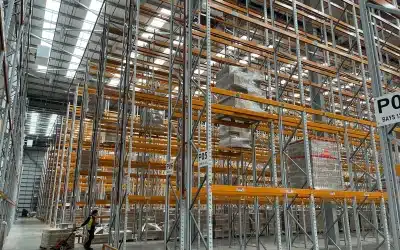
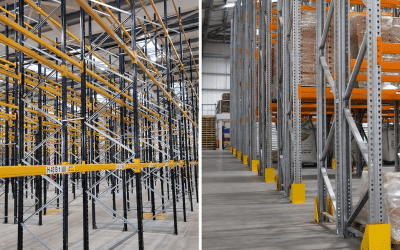
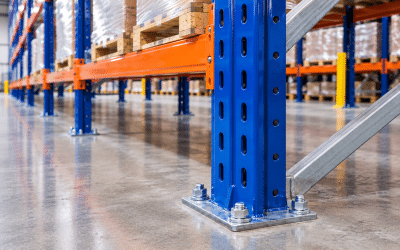
Warehouse space is one of the most valuable assets in any logistics, retail or manufacturing business. An inefficient layout can lead to wasted space, bottlenecks and increased operational costs. Pallet racking is one of the best ways to optimise warehouse storage, improve accessibility and increase productivity. This guide will explore how to maximise warehouse space with efficient pallet racking layouts, helping you achieve better organisation, faster operations and increased storage capacity.
Why Warehouse Layout Matters
A well-designed warehouse layout ensures:
- Maximum Storage Capacity – Efficient use of vertical and horizontal space.
- Faster Inventory Retrieval – Reduces picking and stocking time.
- Improved Workflow Efficiency – Optimises movement of goods and workers.
- Enhanced Safety – Minimises workplace accidents and damage to inventory.
- Lower Operational Costs – Reduces labour time and maximises available space.
By carefully planning your pallet racking system, you can increase efficiency while keeping costs under control.
Key Factors to Consider in Pallet Racking Layout Design
Available Warehouse Space
- Measure the total warehouse area, including height.
- Identify unused vertical space to maximise storage capacity.
- Consider aisle width for forklift access and employee movement.
Type of Goods Stored
- Are your products heavy, fragile or perishable?
- Do you need FIFO (First In, First Out) or LIFO (Last In, First Out) storage?
- Are your pallets uniform in size, or do they vary?
Warehouse Traffic Flow
- Design clear pathways for forklifts, employees and equipment.
- Avoid congestion in high-traffic areas.
- Place frequently accessed inventory near loading docks for faster retrieval.
Storage Density vs. Accessibility
- High-density storage (Drive-in racking, Push-back racking) saves space but limits accessibility.
- Adjustable pallet racking provides direct access but requires more aisle space.
- Choose a system that balances storage capacity and efficiency based on your needs.
Best Pallet Racking Layouts for Maximum Space Utilisation
Adjustable Pallet Racking Layout (Best for warehouses with diverse inventory and high accessibility needs)
- Standard racking with direct access to all pallets.
- Works well for FIFO inventory management.
- Requires more aisle space but improves picking efficiency.
👉 Best for: Warehouses with multiple SKUs and frequent stock rotation.
Drive-In & Drive-Through Racking Layout (Best for high-density storage of similar products)
- Uses fewer aisles and maximises storage depth.
- Drive-in: One entry point (LIFO system).
- Drive-through: Access from both ends (FIFO system).
👉 Best for: Cold storage, manufacturing and bulk storage of identical items.
Push-Back Racking Layout (Best for maximising space with LIFO storage)
- Pallets sit on inclined carts that slide forward when one is removed.
- Increases storage density while keeping easy access to stock.
- Ideal for businesses needing high storage without sacrificing efficiency.
👉 Best for: Retail and manufacturing warehouses with limited space.
Pallet Flow Racking Layout (Best for FIFO storage of high-turnover products)
- Uses gravity-fed rollers to move pallets from loading to picking areas.
- Improves order fulfillment speed.
- Perfect for perishable goods and high-volume distribution.
👉 Best for: Food, beverage and pharmaceutical warehouses.
Double-Deep Pallet Racking Layout (Best for increasing capacity with limited space)
- Stores pallets two rows deep, reducing aisle space.
- Requires deep-reach forklifts for loading and unloading.
- Doubles storage capacity compared to adjustable pallet racking.
👉 Best for: Warehouses needing more storage without sacrificing accessibility.
Additional Space-Saving Tips for Efficient Warehouse Layouts
- Optimise Aisle Width – Narrower aisles increase storage density but require specialised forklifts.
- Use Vertical Space – Invest in taller pallet racking systems to utilise ceiling height.
- Implement Rack Protection – Prevent damage from forklifts with column guards and barrier rails.
- Label & Organise Inventory – Use clear signage and barcode systems to improve picking speed.
- Regularly Review Layouts – Adapt to changing inventory needs and warehouse growth.
Choosing the Right Pallet Racking System for Your Warehouse
When selecting a pallet racking system, ask yourself:
- How much storage space do I need?
- Do I require FIFO or LIFO inventory management?
- What type of products am I storing?
- How frequently do I need to access my inventory?
- Do I have the right forklifts for my pallet racking system?
By considering these factors, you can design a warehouse layout that maximises space, improves efficiency and enhances overall productivity.
An efficient pallet racking layout is essential for optimising warehouse space and improving operations. Whether you need adjustable pallet racking for flexibility, drive-in racking for high-density storage or pallet flow systems for fast-moving inventory, the right layout can make a huge difference.
Need help designing the perfect pallet racking layout for your warehouse? Contact our sales team on 0800 612 3210, they’re happy to help find the perfect solution for your business needs.