When planning warehouse storage, choosing between shelving and pallet racking can significantly impact efficiency, safety, and long-term scalability. While both systems are designed to organise and store goods, they serve very different purposes.
In this guide, we’ll break down the key differences between shelving and pallet racking, including structure, load capacity, applications, cost considerations, and how to decide which system fits your operation.
What Is Shelving?
Shelving systems are storage units made up of horizontal shelves supported by vertical frames or posts. They are typically designed for hand-loaded storage, meaning workers manually place and retrieve items.
Common Types of Shelving
- Boltless (Rivet) Shelving – Easy to assemble and adjust
- Steel Shelving – Durable and ideal for industrial environments
- Wire Shelving – Lightweight and good for ventilation
- Longspan Shelving – Designed for larger, bulkier items
Key Features of Shelving
- Lower weight capacity per level
- Ideal for small to medium-sized items
- Hand-loaded (no forklift required)
- Simple installation
- Cost-effective for light-duty storage
Best Uses for Shelving
- Retail stockrooms
- Small warehouses
- Archive storage
- Picking operations
- Workshops and maintenance areas
Shelving works best when inventory is handled manually and items are relatively lightweight.
What Is Pallet Racking?
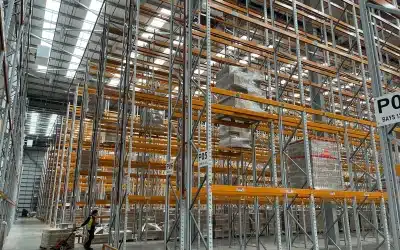
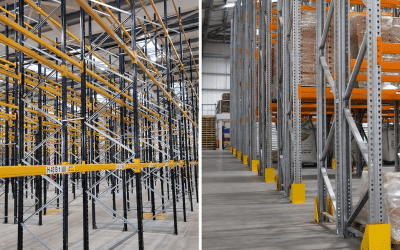
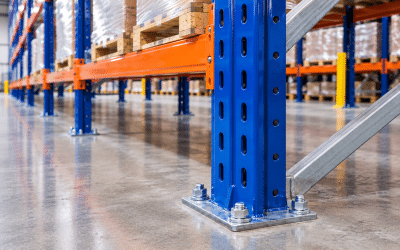
Pallet racking systems are heavy-duty storage structures designed to hold palletised goods. These systems use upright frames and horizontal beams to create levels that support pallets loaded by forklifts.
Common Types of Pallet Racking
- Selective Pallet Racking – Direct access to every pallet
- Drive-In/Drive-Through Racking – High-density storage
- Push Back Racking – Pallets stored on nested carts
- Pallet Flow Racking – Gravity-fed for FIFO (First In, First Out) systems
- Cantilever Racking – Ideal for long or bulky items
Key Features of Pallet Racking
- High weight capacity
- Designed for forklift access
- Suitable for palletised inventory
- Maximises vertical warehouse space
- Built for industrial-scale storage
Best Uses for Pallet Racking
- Distribution centres
- Large warehouses
- Manufacturing facilities
- Cold storage operations
- High-volume inventory management
Pallet racking is the preferred solution when dealing with bulk goods, heavy loads, and high SKU volumes.
Shelving vs. Pallet Racking: Side-by-Side Comparison

Key Differences Explained
- Load Capacity: Shelving typically supports lighter loads (usually a few hundred kilos per shelf), while pallet racking can handle thousands of kilos per level. If you’re storing heavy pallets of goods, shelving simply won’t meet safety standards.
- Handling Equipment: Shelving systems are designed for manual picking. Pallet racking requires forklifts or other material handling equipment to load and unload pallets.
- Warehouse Space Utilisation: Pallet racking maximises vertical space, often reaching 10+ metres high depending on ceiling clearance. Shelving is generally shorter and better suited for walk-in access.
- Cost Considerations: Shelving systems are generally more affordable upfront and easier to install. Pallet racking requires higher initial investment, including forklifts and potential professional installation – but offers better scalability for growing operations.
- Safety Requirements: Pallet racking must meet strict safety and load regulations due to its heavy-duty nature. Proper anchoring, beam locking, and regular inspections are critical. Shelving, while still requiring safe installation, carries lower risk due to lighter loads.
When to Choose Shelving
Choose shelving if:
- You handle products manually
- Inventory is lightweight
- Space is limited
- You need a lower-cost solution
- You operate a retail backroom or small warehouse
When to Choose Pallet Racking
Choose pallet racking if:
- You store palletised goods
- You use forklifts
- You need high-density storage
- You’re operating a large warehouse
- You anticipate rapid inventory growth
Can You Use Both?
Absolutely. Many warehouses combine shelving and pallet racking to optimise workflow.
For example:
- Pallet racking for bulk inventory storage
- Shelving for picking smaller quantities
- Mezzanines with shelving for added space
- Dedicated pallet rack zones for fast-moving SKUs
A hybrid approach often delivers the best operational efficiency.
Final Thoughts: Shelving vs. Pallet Racking
The difference between shelving and pallet racking comes down to load capacity, access method, and warehouse scale.
- Shelving = Manual, lightweight, cost-effective storage
- Pallet Racking = Heavy-duty, forklift-accessed, high-volume storage
Choosing the right system ensures improved safety, better organisation, and higher productivity.
If you’re planning a warehouse layout or upgrading your storage system, evaluating your inventory type, handling equipment, and growth projections will guide you toward the right solution.
Frequently Asked Questions
Is pallet racking stronger than shelving?
Yes. Pallet racking is specifically engineered to support much heavier loads than shelving.
Can you store pallets on shelving?
Generally, no. Standard shelving is not designed for pallet loads unless specifically rated for that purpose.
Which is more cost-effective?
Shelving is cheaper upfront, but pallet racking provides better long-term scalability for larger operations.
If you’re designing or upgrading a warehouse, understanding the difference between shelving and pallet racking is the first step toward building an efficient, safe, and scalable storage system.
Whether you’re planning a full warehouse redesign or a simple racking upgrade, you can contact us on 0800 612 3210 to discuss your options, we will help you decide which options work best for your warehouse.