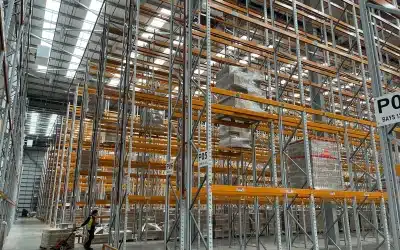
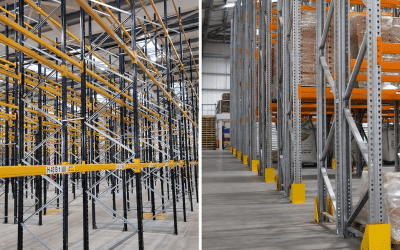
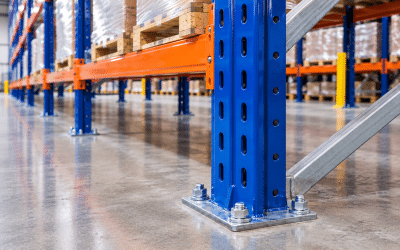
Warehouse safety starts with strong, reliable storage systems. Pallet racking is the backbone of most warehouses, distribution centres, and industrial facilities, but even the most durable pallet racking systems can become hazardous if they are damaged or poorly maintained.
Regular pallet racking inspections help identify potential risks before they lead to costly repairs, damaged inventory, or workplace accidents. Whether you’re a warehouse manager, safety officer, or forklift operator, understanding how to inspect pallet racking safely is essential for maintaining compliance and protecting employees.
In this guide, you’ll learn the step-by-step process for inspecting pallet racking, the warning signs to watch for, and best practices for ensuring long-term warehouse safety.
Why Pallet Racking Inspections Are Important
Pallet racking systems support thousands of kilos of inventory every day. Over time, they may experience damage caused by:
- Forklift impacts
- Overloaded beams
- Improper pallet placement
- Corrosion or rust
- Missing beam locks
- General wear and tear
Ignoring these issues can result in:
- Racking collapse
- Product damage
- Employee injuries
- Warehouse downtime
- Regulatory violations
- Increased maintenance costs
Routine inspections significantly reduce these risks while extending the lifespan of your pallet racking system.
Types of Pallet Racking Inspections
An effective inspection program includes multiple levels of checks.
- Daily Visual Inspections: Warehouse staff should perform quick visual checks before operations begin. Look for:
-
- Bent uprights
- Leaning racks
- Missing beam locks
- Damaged pallets
- Loose anchors
- Obstructions around racking
These inspections help identify obvious hazards immediately.
- Weekly or Monthly Internal Inspections: Supervisors or warehouse managers should conduct more detailed inspections. This includes checking:
-
- Structural damage
- Beam alignment
- Floor conditions
- Rack stability
- Load notices
Document every inspection for future reference.
- Annual Expert Inspections: A qualified racking inspector (SARI) should perform a comprehensive assessment at least once a year. Professional inspections evaluate:
- Structural integrity
- Manufacturer compliance
- Safety standards
- Load notices
- Repair recommendations
Annual inspections help ensure long-term compliance with workplace safety regulations.
You can download our Step-by-Step Guide to Inspecting Pallet Racking
Common Signs of Pallet Racking Damage
During inspections, watch for these warning signs:
- Bent uprights
- Deflected beams
- Missing beam locks
- Loose anchor bolts
- Cracked welds
- Leaning frames
- Damaged footplates
- Rust or corrosion
- Missing braces
- Broken pallets
If any of these issues are discovered, isolate the affected area until repairs are completed.
Pallet Racking Inspection Checklist
Use this simple checklist during every inspection:
- Uprights are straight and undamaged
- Beams are level and secure
- Beam locks are installed
- Base plates are firmly anchored
- Bracing is intact
- Load notices are visible
- No excessive rust or corrosion
- Racking protection is installed
- Pallets are in good condition
- Inspection records are updated
Safety Best Practices for Pallet Racking Inspections
Follow these best practices to improve warehouse safety:
- Conduct regular inspections on a scheduled basis.
- Train employees to identify early signs of damage.
- Report pallet racking damage immediately.
- Never repair structural components without manufacturer-approved methods.
- Replace severely damaged parts instead of attempting temporary fixes.
- Keep aisles clear to allow easy inspection access.
- Use racking protection in high-traffic forklift areas.
- Review load capacities whenever inventory changes.
A proactive maintenance program reduces accidents and extends the life of your pallet racking system.
Mistakes to Avoid During Pallet Rack Inspections
Avoid these common errors:
- Ignoring minor dents or bends
- Exceeding rack load limits
- Removing beam safety locks
- Delaying repairs
- Using damaged pallets
- Failing to document inspections
- Skipping annual professional inspections
Small issues can quickly become serious structural hazards if left unaddressed.
Benefits of Regular Pallet Racking Inspections
Consistent inspections provide numerous advantages:
- Improved employee safety
- Reduced risk of pallet racking failure
- Lower maintenance costs
- Longer equipment lifespan
- Better warehouse efficiency
- Regulatory compliance
- Reduced product damage
- Increased operational reliability
Investing time in routine inspections protects both people and inventory.
Frequently Asked Questions
- How often should pallet racking be inspected?
- Daily visual checks, monthly internal inspections, and annual professional inspections are recommended. High-traffic warehouses may require more frequent inspections.
- What is the most common cause of pallet racking damage?
- Forklift impacts are the leading cause of pallet racking damage, followed by overloading and improper pallet placement.
- Can damaged pallet racking be repaired?
- Minor damage may be repairable using manufacturer-approved replacement components. Severely damaged structural elements should typically be replaced rather than repaired.
- Who should inspect pallet racking?
- Daily inspections can be carried out by trained warehouse staff, while annual inspections should be performed by a qualified racking inspector.
- What should be done if damage is found?
- Immediately unload the affected section if necessary, restrict access to the area, report the issue, and arrange for repair or replacement before tfurther use of the racking.
Conclusion
Inspecting pallet racking safely is a critical part of warehouse risk management. Regular inspections help identify structural issues before they become serious hazards, reducing the likelihood of accidents, protecting valuable inventory, and ensuring compliance with workplace safety standards.
By implementing daily visual checks, scheduled internal inspections, and annual professional assessments, businesses can maintain safe, efficient, and reliable storage systems. A proactive inspection program not only extends the lifespan of pallet racking but also creates a safer working environment for everyone in the warehouse.
Contact us today if you need any assistance with your warehouse, or if you would like to book in your annual pallet racking inspection.