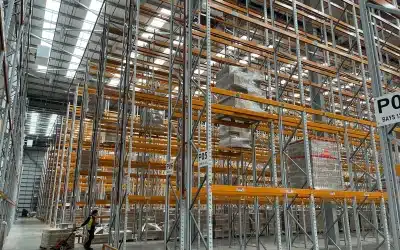
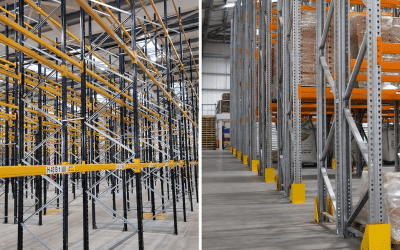
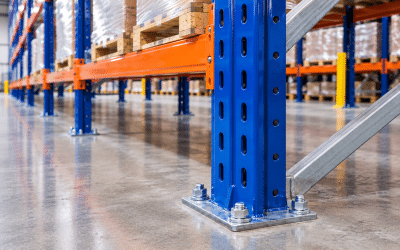
Pallet racking is one of the biggest investments in any warehouse, so it’s only natural to ask: How long does pallet racking last?
The good news is that there is no fixed expiry date for pallet racking. Unlike machinery with moving parts, steel pallet racking can last for 20, 30, or even 40 years if it is correctly installed, used within its design limits, and maintained properly.
However, its lifespan depends on several important factors including the quality of the pallet racking, warehouse environment, daily use, and whether damaged components are repaired or replaced promptly.
In this guide, we’ll explain what determines the lifespan of pallet racking and how you can maximise your investment.
Does Pallet Racking Have an Expiry Date?
No. There is no legal expiry date for pallet racking in the UK. Steel does not simply become unsafe because it reaches a certain age.
Instead, pallet racking should remain in service for as long as it continues to meet its original design specification and remains free from damage that affects its structural integrity. Many warehouses still safely use pallet racking that was installed decades ago. The key consideration isn’t how old the pallet racking is, but what condition it is in.
Factors That Affect the Lifespan of Pallet Racking
1. Quality of the Original Pallet Racking
High-quality pallet racking manufactured by recognised brands is built to withstand years of heavy use. Well-known manufacturers include:
- Apex
- Dexion
- Link 51
- Redirack
- Stow
- HiLo Rackplan
- PSS
Provided genuine components are used and the system isn’t modified incorrectly, these systems can provide decades of reliable service.
2. Daily Warehouse Traffic
Forklift impacts are the biggest cause of premature pallet racking failure. Every collision can weaken:
- Uprights
- Bracing
- Baseplates
- Beam connectors
- Beam safety locks
Even seemingly minor impacts can reduce the load-bearing capacity of the structure. Installing column guards and rack end barriers can significantly reduce accidental damage.
3. Correct Loading
Pallet racking is designed to carry specific loads. Overloading beams or storing pallets incorrectly places unnecessary stress on the structure. Always ensure:
- Safe Working Loads (SWL) are not exceeded
- Loads are evenly distributed
- Pallets are in good condition
- Correct beam levels are maintained
- Load notices remain visible and accurate
4. Warehouse Environment
Although warehouse pallet racking is manufactured from steel, environmental conditions still matter. Potential issues include:
- Water leaks
- Condensation
- Corrosive chemicals
- Outdoor storage
- Coastal environments
Galvanised pallet racking is often the best choice where corrosion may be an issue.
5. Maintenance
Routine maintenance can dramatically increase the life expectancy of pallet racking. Simple tasks include:
- Tightening loose fixings
- Replacing missing beam locks
- Checking floor fixings
- Keeping aisles clear
- Replacing damaged components immediately
Small problems are much cheaper to resolve than major structural repairs.
How Long Does Used Pallet Racking Last?
Used pallet racking can last just as long as new pallet racking, provided it has been professionally inspected and any damaged components have been removed from service. The age of the steel itself is usually far less important than:
- Previous damage
- Correct installation
- Manufacturer compatibility
- Ongoing maintenance
This is why reputable suppliers inspect, grade and reject damaged components before resale.
Signs Your Pallet Racking May Need Replacing
Rather than replacing an entire system because of age, individual damaged components are normally replaced. Look out for:
- Bent uprights
- Twisted bracing
- Damaged beams
- Missing beam locks
- Loose floor anchors
- Corrosion
- Cracked welds
- Leaning frames
- Impact damage from forklifts
It’s important to remember that components from different pallet racking manufacturers should never be mixed together, even if they appear to fit. Each manufacturer’s system is designed and tested as a complete structure, and mixing parts can compromise the load capacity and safety of the installation.
The Importance of Regular Inspections
The best way to maximise the lifespan of pallet racking is through regular inspections. Warehouse staff should carry out visual inspections on a regular basis, checking for obvious signs of damage or missing components.
In addition, the Health and Safety Executive (HSE) recommends that pallet racking is inspected by a technically competent person at least once every 12 months, with more frequent inspections in busy warehouses. Professional inspections help identify problems before they become safety risks and can often extend the life of your existing pallet racking by ensuring damaged components are replaced promptly.
Can Damaged Pallet Racking Be Repaired?
In many cases, yes. Most damage only affects individual components rather than the whole installation. Common replacements include:
- Uprights
- Beams
- Bracing
- Baseplates
- Beam safety locks
- Floor fixings
Replacing damaged components is usually far more cost-effective than replacing an entire warehouse installation. However, any repairs should use the correct manufacturer’s components and follow the original design specification.
How to Maximise the Lifespan of Your Pallet Racking
To get the longest possible life from your pallet racking:
- Never exceed load capacities.
- Train forklift operators.
- Install racking protection.
- Carry out regular visual inspections.
- Arrange annual expert inspections.
- Replace damaged components immediately.
- Never mix components from different manufacturers.
- Keep load notices up to date.
- Use the correct pallet sizes for your racking.
Following these simple practices can help your pallet racking remain safe and serviceable for decades.
Frequently Asked Questions
Can pallet racking last 30 years?
- Yes. Many high-quality pallet racking systems remain in service for over 30 years when they are properly maintained and regularly inspected.
Should pallet racking be replaced after a certain number of years?
- No. There is no fixed replacement age. The decision should be based on the condition of the pallet racking rather than its age.
What causes pallet racking to fail?
- The most common causes are forklift impacts, overloading, corrosion, poor installation, missing safety components, and failure to replace damaged parts.
Is used pallet racking safe?
- Yes, provided it has been professionally inspected, correctly installed, and any damaged components have been replaced. Always purchase used pallet racking from a reputable supplier.
Final Thoughts
Pallet racking is designed to provide decades of reliable service, making it one of the longest-lasting investments in a warehouse. While there is no official lifespan, the key to longevity lies in proper installation, regular maintenance, safe loading practices, and routine inspections.
By addressing damage promptly and ensuring your pallet racking remains compliant with current safety guidance, you can maximise its lifespan, reduce costs, and maintain a safe working environment for your employees.
Whether you’re investing in new or used pallet racking, regular inspections and preventative maintenance will help protect both your warehouse and your business for many years to come.
To book your annual inspection or discuss your warehouse requirements contact us on 0800 612 3210, our friendly sales staff are happy to assist you.